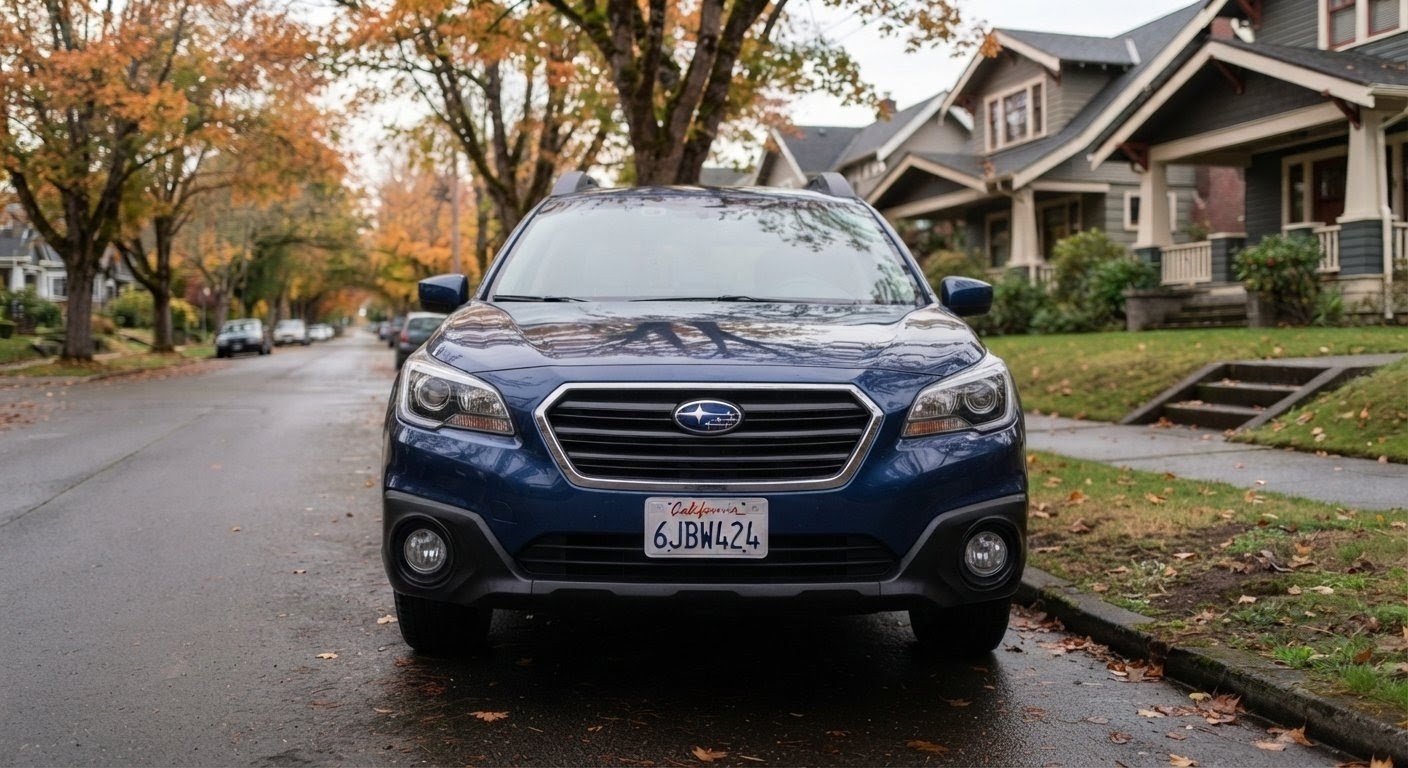
If you are looking to find Owner Name by License Plate in the US, you may be asking yourself whether a license plate number may be used to locate the vehicle’s owner. Although license plates are openly viewable, this does not imply that the personal information related to a plate is openly accessible. Privacy legislation protects vehicle registration data in the United States, and usually limits access to a person’s name or address.
The Driver’s Privacy Protection Act (DPPA) is the primary federal statute in question. This statute limits the collection and use of personal data acquired from state motor vehicle records. The DPPA includes personal data including a person’s name, address, phone number, driver’s identification number, and other identification information.
Can You Find the Owner of a Car by License Plate in the US?
Usually, an average citizen cannot just input a license plate number into a government website and get the vehicle owner’s complete name and postal address. Although personal information contained in these documents is subject to federal and state privacy regulations, state DMVs keep registration records.
This means searches such as find out who owns a car by license plate in US are not normally equivalent to performing a simple public-name lookup. A license plate can assist in locating a car, but identifying the person connected with that vehicle is an entirely different issue.
Although the precise procedure may differ across states, the DPPA establishes a federal framework that limits the disclosure of personal data found in motor vehicle records. States could have extra privacy policies providing more layers of security. California DMV, for instance, clarifies that motor vehicle record personal data is safeguarded under state law as well as under the DPPA.
Why Is License Plate Owner Information Private?
The reason license plate information is safeguarded is simple: unrestrained access to vehicle registration records might reveal people’s names, addresses, and other personal information. The DPPA was passed to limit the release of personal data from state motor vehicle records in the absence of due permission or a legitimate legitimate reason.
A vehicle registration record may include information linking a specific vehicle with an individual. If anyone could freely get that data, it might cause major privacy and safety issues.
This is why looking for a name by license plate in the US is different from looking for publicly available information like a car’s make, model, or overall characteristics. Directly identifying a private person receives more legal protection.
Can Law Enforcement Find a Car Owner by Plate Number?
Yes. When they need the data to carry out valid government responsibilities or look into an accident, law enforcement organizations usually have access to motor vehicle records. The DPPA especially permits some disclosures for legitimate purposes, such as government agency operations, law enforcement, car safety, theft-related issues, and some court cases.
For instance, police could utilize the license plate number to find the registered car and look into the incident if a car was engaged in a hit-and-run. A regular individual shouldn’t try to get limited DMV data by posing as police or by giving a fictitious reason for asking for records.
How to Find a Car Owner by License Plate Legally
The proper method depends on the circumstances if you have a valid reason to identify a vehicle owner. One alternative is to call the police should the car be related to an accident, crime, threat, hit-and-run, or another issue needing official investigation. Law enforcement has access to data through sanctioned systems not normally accessible to the general public.
Another option may be available when you have a legally recognized reason to request motor vehicle information from a state DMV. The requirements differ by state, and you may have to provide identification, documentation, a stated purpose, or evidence that your request falls within a legally permitted category.
Certain businesses and professionals may also have access to motor vehicle information when their use qualifies under the DPPA. California DMV, for example, lists permissible uses involving insurance activities, courts and law enforcement, vehicle safety, legitimate business transactions, and certain legal proceedings.
Therefore, someone searching for find car owner by registration number in US should start with the relevant state DMV and determine whether the intended request qualifies under applicable law.
READ ALSO :Tag Applied for License Plate: What It Means & How It Works
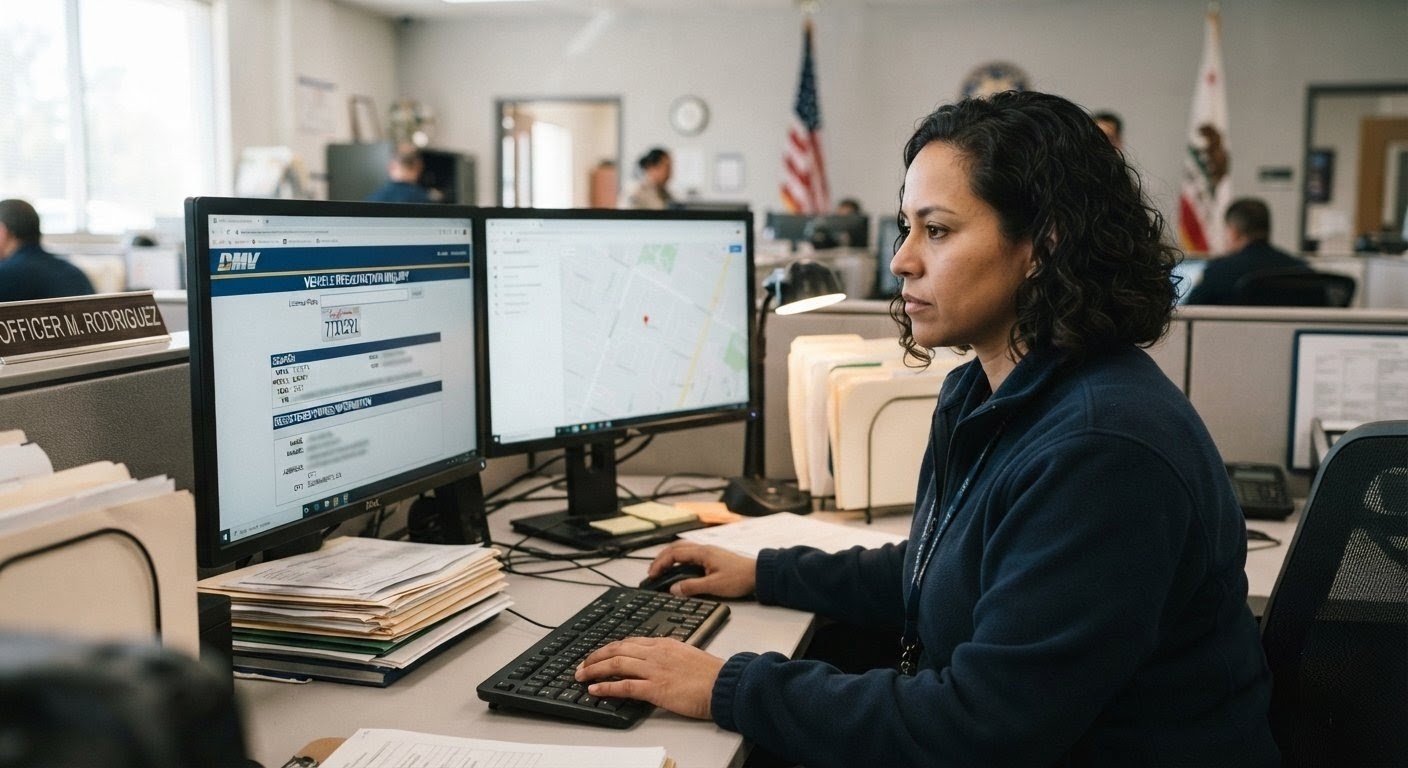
Can You Get a Vehicle Owner’s Name From the DMV?
The official government organization in charge of keeping vehicle registration data in its state is a DMV, but this does not imply that every DMV record is easily accessible to everyone.
Unless an exception applies, the DPPA usually forbids state DMVs from purposefully releasing personal data collected by motor vehicle records.Permitted situations can include certain government functions, legal proceedings, insurance activities, vehicle safety matters, and other purposes specifically recognized by federal law.
Some states also provide record-request procedures. However, a request for confidential personal information may require the requester to identify a qualifying purpose or legal authority. For instance, California DMV says that requests involving confidential residence information must include the relevant justification and legal authority when required.
What Information Can You Get From a License Plate?
A license plate can offer insightful data without always giving away the identity of the driver. You might be able to find out things about the car or its registration status depending on the state and the kind of legitimate search conducted.
For example, publicly accessible sources may provide general vehicle information, while official records may provide additional information to authorized requesters. But just because the license plate is visible does not mean that the owner’s personal information should be assumed to be publicly available.
It is also crucial to differentiate between the registered owner and the driver of the vehicle. The individual mentioned on a registration record is not always the one behind the wheel at any given moment.
Are Online License Plate Lookup Websites Reliable?
Many websites advertise services that claim to help users identify vehicle owners from license plates. Users should be cautious when evaluating these services.
A website alleging to be able to immediately expose a private person’s name, home address, phone number, or other sensitive personal information from a plate number does not automatically have legal access to DMV records. The DPPA governs the gathering and use of personal data gathered from state motor vehicle records, and unapproved acquisition or usage may have legal repercussions. Prior to paying for any license plate lookup service, determine what the service really offers, where its data originates, whether it has a valid legal purpose, and whether its procedures adhere to relevant federal and state privacy statutes.
What Should You Do After a Hit-and-Run?
Write down the license plate number as soon as you can if another car strikes yours and then drives away. Record the vehicle’s make, model, color, whereabouts, direction of travel, and any visible identifying marks if it is safe.
Then you ought to get in touch with local law enforcement and supply the data you gathered.You can also notify your insurance company and provide the police report or other available evidence.
Trying to personally track down the person behind a license plate can create privacy and safety concerns. A license plate is much more useful when provided to authorities who have lawful access to motor vehicle records.
Is It Legal to Search Someone’s Name by License Plate?
Just because you want to know who owns a car does not mean you have a legal right to get that person’s private DMV information. Legality relies on the source of the data, the aim of the request, relevant state law, and whether a DPPA exception applies.
The best course of action is to refrain from trying to get around DMV privacy regulations. Use the official channel instead if you have a valid reason related to law enforcement, accident, insurance, or legal issues.
Find Car Owner by Registration Number in the US
Both a license plate and a car registration number might be related to motor vehicle records, but neither should be regarded as a surefire public entryway to a person’s identity.
To get information on a car you own, call your state’s Department of Motor Vehicles and adhere to the official record request procedure. An attorney, insurance company, court, or law enforcement agency may be able to seek information by an authorized procedure if the car is implicated in an accident, legal dispute, theft, or criminal investigation.
The crucial difference is between getting facts about a car and getting sensitive personal data on a person. The latter is under far more stringent regulations.
READ ALSO :License Plate Srew Size
Frequently Asked Questions
Using a license plate, may I learn the name of a car owner?
Usually, a basic public license plate search does not reveal a private owner’s name. The DPPA and relevant state privacy rules safeguard personal information held by the DMV.
In the United States, how may I determine automobile ownership using license plates?
Get in touch with law enforcement, your insurance provider, or the appropriate state DMV if you have a valid reason, like an insurance issue or a hit-and-run. The proper method relies on state law and the circumstances.
By license plate number, can I discover someone’s name?
Not generally through a free public DMV lookup. A license plate is publicly displayed, but the personal information associated with a motor vehicle record is protected.
Can I find a car owner by registration number in the US?
A registration number may identify a vehicle record, but access to the owner’s personal information is restricted. You may need a legally recognized purpose or authorization to obtain protected information.
Can police identify a vehicle owner from a license plate?
Yes. Legitimate official uses allow law enforcement organizations to view motor vehicle records.
In the case of a hit-and-run car, what should I do?
Write down the license plate and as much information about the car as you can get without risking your safety. Then, tell the police and your insurance company about what happened. Using the plate will help authorities look into the registered vehicle.
Are license plate lookup websites legal?
The legality depends on the website’s data source, how information is obtained and used, and the applicable law. Be particularly careful with services claiming to provide protected personal information without requiring a legitimate purpose.
Does every state have the same license plate privacy rules?
No. The federal DPPA establishes nationwide restrictions on personal information in state motor vehicle records, but states can have additional rules and procedures. Always check the requirements of the specific state involved.